
From Storefronts to Conferences: How Brand Consistency Shapes Customer Trust
Brand recognition affects purchasing decisions faster than many businesses realize. Research from Lucidpress found that consistent brand presentation across platforms can increase revenue by up to 23 percent. Consumers move between websites, physical stores, social media, live events, and mobile shopping apps throughout the day. Every interaction creates an expectation that a business will look, sound, and feel familiar no matter where customers encounter it.
Pressure to maintain that consistency has grown as companies blend digital marketing with in-person experiences. Retail launches, networking events, trade fairs, and influencer campaigns now function as extensions of a company’s public identity. Industry discussions tied to step and repeat NYC branding strategies highlight how businesses increasingly use coordinated visual displays to reinforce recognition across photography, social content, and customer engagement. Experts at Forbes note that strong visual consistency helps audiences build trust faster because repeated exposure improves familiarity.
Businesses once focused mainly on storefront signage and packaging. Today, customer perception forms across many environments at once. A consumer may first discover a company through a social media post, visit a pop-up store later that week, and eventually encounter the same brand at an industry conference. Consistent visual presentation helps connect those experiences into a single recognizable identity.
1. Consistent Branding Improves Customer Recognition
Customers make quick judgments based on visuals. Colors, logos, typography, and presentation styles all influence how easily people recognize a company. Research from Nielsen shows that familiar branding increases consumer confidence because repeated exposure creates a sense of reliability.
Retailers increasingly apply the same visual elements across websites, event booths, product packaging, and promotional displays. When consumers repeatedly encounter the same style, they are more likely to remember the business later. This matters in crowded industries where customers compare many options at once.
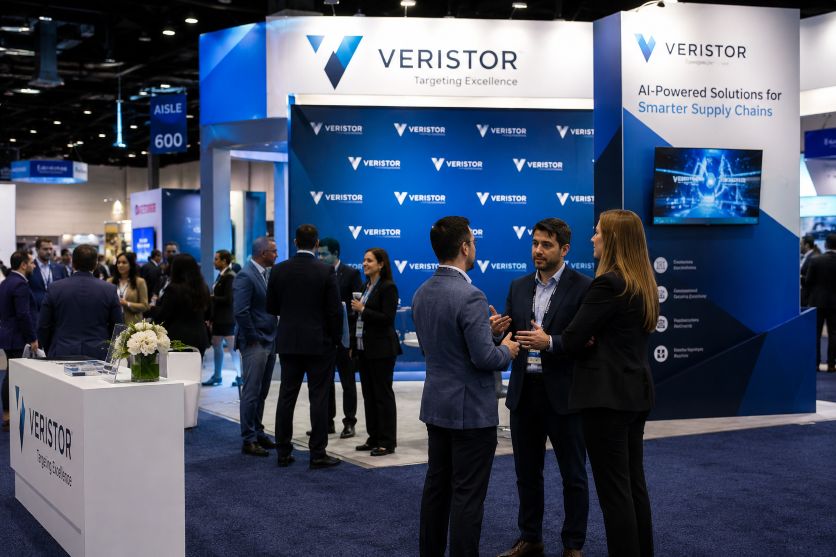
Branded media walls and coordinated event displays support this recognition process during conferences and public-facing events. Companies that maintain a unified appearance across online and offline spaces reduce confusion and strengthen recall over time.
2. Event Displays Help Businesses Stand Out in Crowded Spaces
Trade fairs and retail expos are highly competitive environments. Hundreds of companies often compete for attention inside the same venue. Strong branding helps visitors quickly identify exhibitors they recognize or previously encountered online.
Data from Center for Exhibition Industry Research indicates that trade shows remain one of the most effective channels for face-to-face business engagement. However, visibility plays a major role in whether attendees stop at a booth or continue walking.
Large-format branded backdrops, coordinated signage, and repeat-logo displays create visual consistency that helps exhibitors appear organized and professional. Many businesses now integrate branded photo areas into conference booths because attendees frequently share event images online. Those photographs extend the company’s visibility beyond the event itself.
Companies participating in commerce-focused expos also use branded backgrounds during interviews, product demos, and networking sessions. Consistent imagery ensures that every published photo reinforces the same business identity.
3. Influencer Marketing Relies on Repeatable Visual Identity
Influencer campaigns increasingly overlap with physical events and retail activations. Product launches, sponsored gatherings, and creator meetups generate large amounts of visual content in a short period of time.
HubSpot research shows that consumers often trust recommendations from creators and personalities they follow online. Businesses therefore pay close attention to how their branding appears in photographs and videos shared through social platforms.
Branded event installations help companies maintain visual control during these campaigns. Repeat-logo backdrops, coordinated lighting, and recognizable display designs ensure that user-generated content reflects the same identity customers see elsewhere.
This consistency becomes especially valuable during product launches. A company introducing a new item wants customers to immediately associate launch photos with the broader brand. Consistent event visuals support that connection while improving recognition across multiple marketing channels.
4. Pop-Up Stores Depend on Strong Visual Cohesion
Temporary retail spaces have become a major part of modern commerce. Fashion labels, beauty companies, technology brands, and food businesses regularly use pop-up experiences to test markets or create limited-time promotions.
Research from EventTrack found that consumers value immersive brand experiences because they create stronger emotional connections than standard advertising alone. Still, temporary stores can confuse customers if the visual presentation differs too much from the company’s established identity.
Businesses therefore invest heavily in matching temporary retail environments with their digital branding. Packaging, signage, event photography spaces, employee apparel, and promotional materials often follow the same visual guidelines used online.
Many companies also include branded photography zones inside pop-up stores. These spaces encourage visitors to share content while reinforcing the company’s identity across social media. Consistent visual presentation helps temporary experiences feel connected to the broader brand rather than separate campaigns.
5. Conference Networking Benefits From Professional Presentation
Networking remains one of the primary reasons companies attend conferences and industry gatherings. Investors, suppliers, media representatives, and potential partners often form impressions quickly during these events.
Harvard Business Review discussions on professional communication note that visual presentation influences credibility during first interactions. A business with organized displays and consistent branding may appear more established than competitors with scattered or inconsistent materials.
Branded media walls have become increasingly common in networking environments because they create recognizable meeting spaces while supporting photography opportunities. Businesses use them during sponsorship events, executive interviews, panel discussions, and award ceremonies.
Trade fair organizers also favor visually cohesive exhibitors because consistent branding improves the overall appearance of the event itself. As a result, businesses often view conference branding as part of their long-term reputation strategy rather than a short-term marketing expense.
6. Repeatable Branding Strengthens Long-Term Credibility
Customer trust develops through repetition. People are more likely to trust businesses that appear stable and recognizable over time. Consistent visual branding supports that process across physical and digital spaces alike.
Research from McKinsey & Company suggests that modern consumers expect seamless experiences between online and offline interactions. When businesses maintain visual continuity across storefronts, websites, event booths, and marketing materials, customers experience fewer disconnects.
Branded conference displays and retail installations now function as part of broader identity systems rather than isolated decorations. Businesses increasingly treat event photography, sponsor backdrops, and branded media walls as long-term marketing assets that contribute to audience memory.
READ ALSO: Virtual Item Marketplaces as Borderless Small Businesses
Final Thoughts
Companies participating in trade fairs, networking events, and retail launches continue adopting repeatable visual strategies because recognition influences purchasing behavior, partnership opportunities, and public credibility. Familiar visuals help audiences remember who a company is and what it represents long after an event ends.
Strong brand consistency does not depend on one logo placement or a single campaign. It comes from presenting the same identity repeatedly across every customer interaction. From storefront displays to conference backdrops, cohesive branding helps businesses appear reliable, organized, and recognizable in an increasingly crowded marketplace.
